
| (832) 426 4764 |
| info@spaziointerni.us |
| 3801 Kirby Dr., Ste 120, Houston, TX 7709 |


What Is the Invisible Kitchen? The Future of Modern Kitchen Design
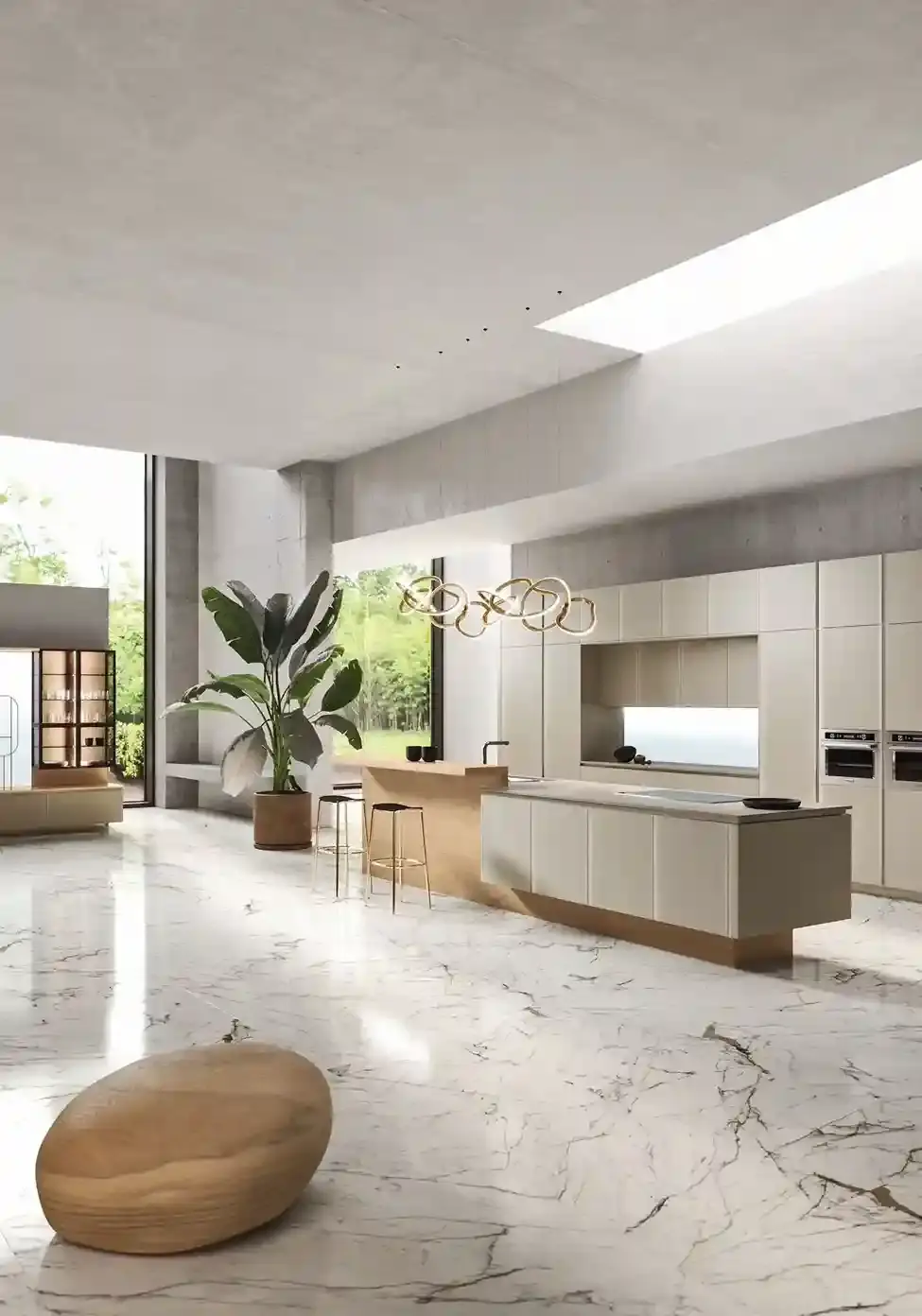
The concept of the invisible kitchen is quickly becoming one of the most influential trends in modern interior design. As homeowners continue to embrace open-concept living, the kitchen is no longer just a functional workspace—it is a central part of the home’s overall aesthetic. The invisible kitchen reflects this shift by minimizing visual clutter and integrating seamlessly into surrounding living spaces. Through the use of Italian cabinetry, concealed storage, and refined materials, this approach creates a clean, architectural look that defines the future of modern kitchen design.
Defining the Invisible Kitchen
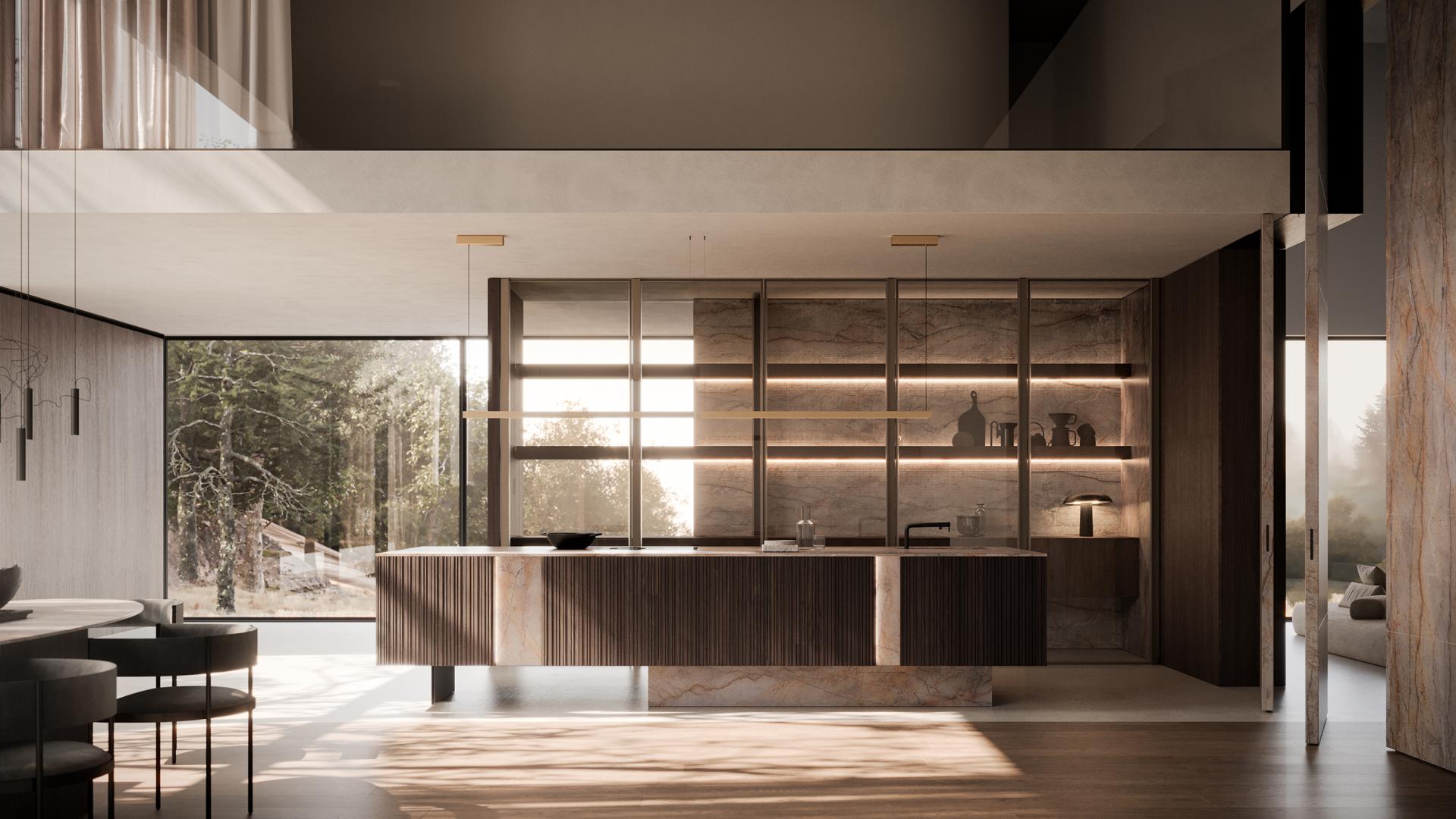
An invisible kitchen is designed to blend into its environment so completely that it no longer reads as a traditional kitchen. Instead of exposed appliances, busy countertops, and visible storage, everything is carefully concealed behind sleek cabinetry and flush surfaces.
This is where premium Italian brands like Modulnova and Ernestomeda excel. Their collections are centered on integration—featuring handleless doors, pocket systems, and full-height cabinetry that can hide appliances, prep areas, and even entire workstations. Kitchens such as the Blade and Skill collections by Modulnova or the Sign collection by Ernestomeda are designed to feel more like architectural installations than traditional kitchens.
The result is a space that appears calm, uncluttered, and highly refined—ideal for modern homes where the kitchen flows directly into the living and dining areas.
Why the Invisible Kitchen Is Trending
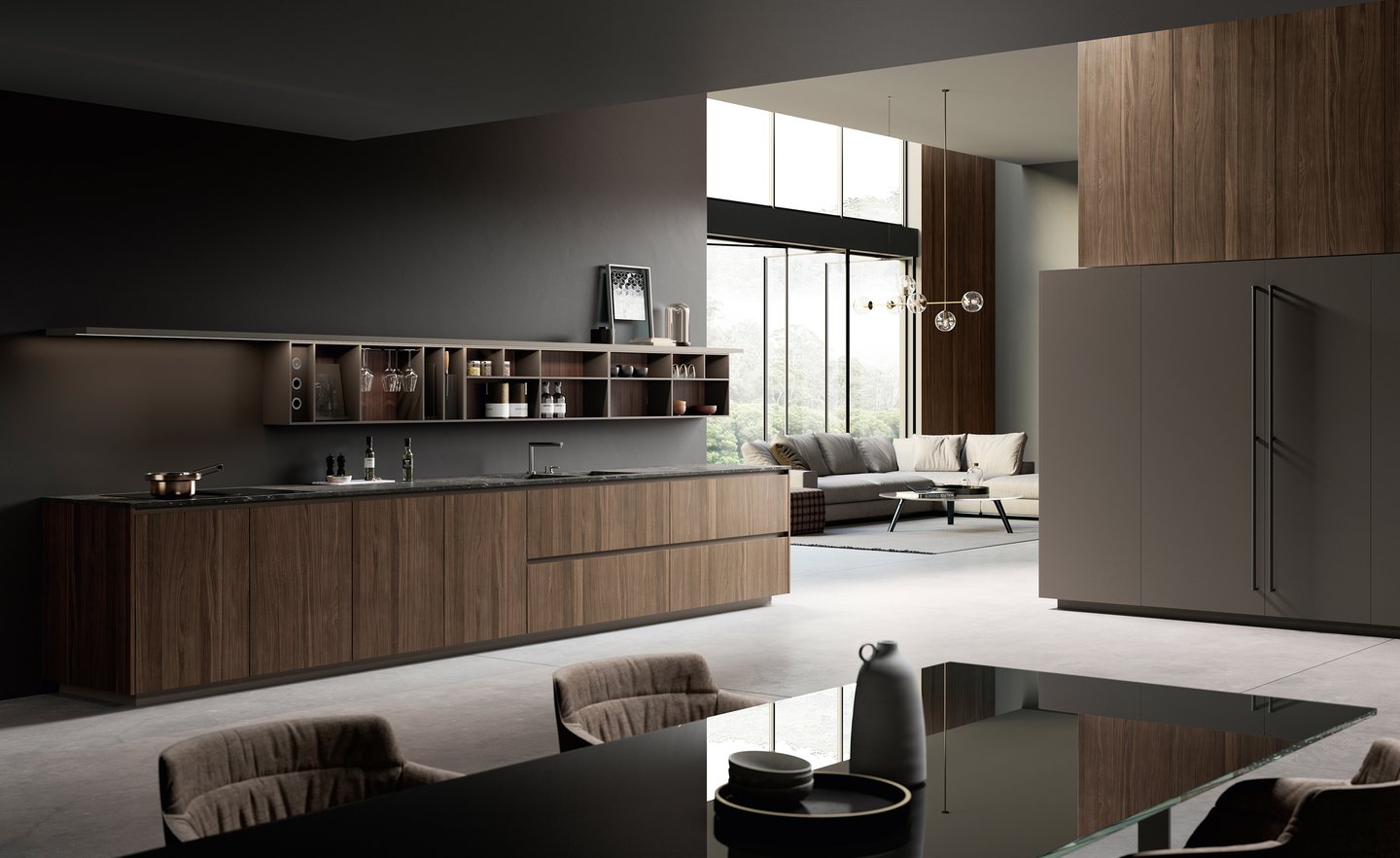
The rise of the invisible kitchen is closely tied to the popularity of open-concept layouts. As walls disappear, the kitchen becomes fully visible from the living room, making design consistency more important than ever. Homeowners are increasingly looking for ways to maintain a cohesive look throughout the space, and the invisible kitchen provides a natural solution.
Another driving force behind this trend is the shift toward minimalism and quiet luxury. Rather than bold or overly decorative designs, today’s interiors focus on subtle sophistication, high-quality materials, and intentional simplicity. Concealed kitchens align perfectly with this mindset, offering a streamlined appearance that feels both modern and timeless.
Italian cabinetry plays a critical role here, delivering precision engineering and design flexibility. Brands like Modulnova and Ernestomeda specialize in creating systems that allow kitchens to disappear into wall paneling, making them especially well-suited for contemporary homes.
Key Features of an Invisible Kitchen
A successful invisible kitchen is built on a combination of thoughtful design elements and high-end materials. Some of the most defining features include:
Handleless Cabinetry
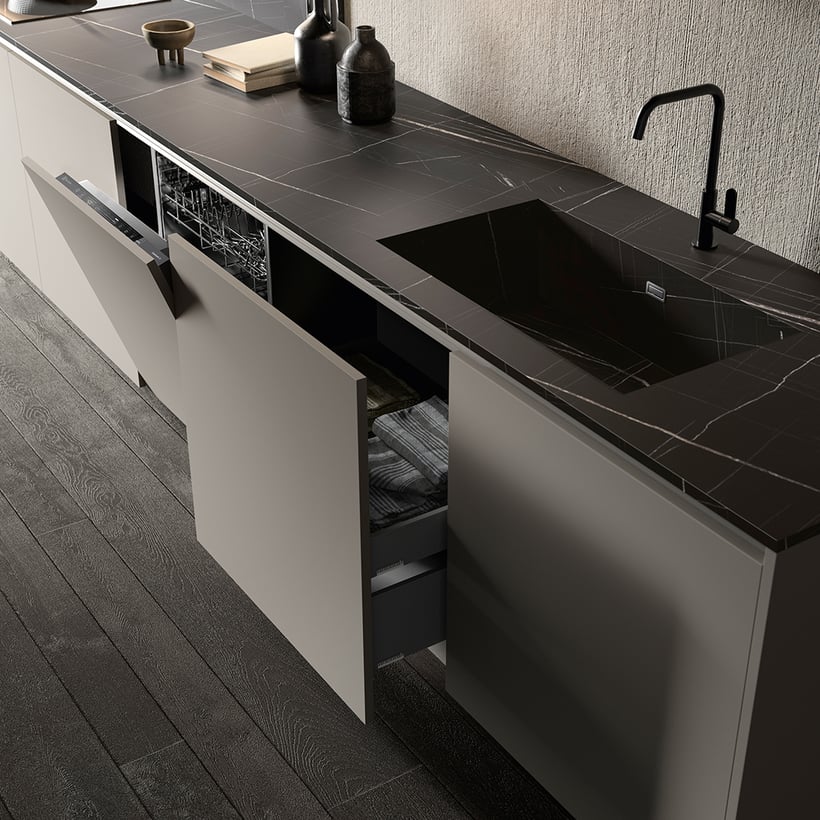
Flat-panel doors with integrated or recessed handles create smooth, uninterrupted surfaces, eliminating visual distractions and reinforcing a minimalist aesthetic.
Integrated Appliances
Refrigerators, dishwashers, and ovens are concealed behind matching cabinet fronts, allowing them to blend seamlessly into the overall design.
Concealed Work Zones
Pocket doors or sliding panels can hide prep areas, sinks, and small appliances when not in use, allowing the kitchen to transition effortlessly from functional to visually clean.
Full-Height Wall Systems
Floor-to-ceiling cabinetry establishes a unified architectural backdrop that can extend beyond the kitchen into adjacent living spaces.
Material Continuity
Consistent finishes—such as wood veneers, lacquer, glass, or stone—help tie the kitchen and living areas together, creating a cohesive and expansive feel.
Brands carried by Spazio Interni, including Modulnova and Ernestomeda, are known for integrating these elements into refined, highly functional kitchen systems.
Blending Kitchen and Living Spaces
One of the most compelling aspects of the invisible kitchen is its ability to merge with surrounding spaces. In open-concept homes, the kitchen often shares visual space with the living room, dining area, and storage systems.
To achieve this level of integration, designers often extend cabinetry finishes into the living area using complementary systems. For example, incorporating Caccaro wall systems can create a seamless transition between kitchen and living storage. Architectural elements such as interior doors and glass partitions from Henry Glass further enhance continuity while maintaining a clean, modern look.
This approach transforms the kitchen into part of a unified design language, rather than a separate or isolated room.
A New Standard for Modern Kitchen Design
The invisible kitchen represents a shift in how modern homes are designed and experienced. It reflects a broader movement toward simplicity, integration, and intentional living. As open layouts continue to define residential design, the demand for kitchens that blend seamlessly into their surroundings will only increase.
By incorporating high-quality Italian cabinetry from brands like Modulnova and Ernestomeda—along with complementary systems from Henry Glass and Novello—homeowners can create spaces that are both highly functional and visually refined.
Ultimately, the invisible kitchen is more than a trend. It is a new standard for modern kitchen design, redefining the relationship between the kitchen and the rest of the home while enhancing both everyday living and overall design cohesion